What Postpartum Recovery Actually Needs From Your Activewear
Quick Answer: Postpartum bodies typically need gentle, adjustable support (especially around the abdomen and pelvic floor) rather than tight, high-compression garments, which can feel restrictive or even counterproductive during early recovery. Soft, wide waistbands, C-section-friendly rise height, and nursing-accessible tops matter more in the first several months than performance-focused compression fabric.
A lot of “postpartum recovery” activewear marketing leans hard on tight compression, borrowing language from general fitness gear — but what most bodies actually need in the early weeks and months is closer to gentle support than athletic-grade squeeze.

Why is high compression not automatically the right choice postpartum?
The postpartum abdomen and pelvic floor are actively healing, and tight, unyielding compression can sometimes increase intra-abdominal pressure in a way that isn’t ideal for pelvic floor recovery, particularly in the first 6-8 weeks. This is different from general fitness compression wear, which is designed for an already-stable core, not one still recovering from pregnancy and delivery.
Many postpartum-specific brands and physical therapists instead recommend a gentler, adjustable support garment — one that can be loosened as swelling and healing progress change day to day, rather than a fixed, high-compression fit.
What features actually matter for postpartum activewear?
A soft, wide waistband that doesn’t dig into a still-sensitive abdomen, a rise height that clears a C-section incision if applicable (typically sitting below or well above the scar line, never directly on it), and easy nursing or pumping access on tops are the practical, high-impact features — far more relevant in the early months than moisture-wicking or four-way stretch marketing claims.
Adjustability matters more than most other single feature, since postpartum bodies change week to week — a garment with some give or an adjustable closure accommodates that better than a fixed compression fit sized for a single moment in time.
FAQ: Postpartum Activewear Questions, Answered
When is it generally safe to wear standard compression leggings again postpartum?
This varies significantly by individual recovery and delivery type — many are cleared around 6-8 weeks after a vaginal delivery and later after a C-section, but this should be confirmed with your own provider rather than a general timeline.
Do I need to buy separate “postpartum” branded activewear, or will regular plus-size activewear work?
Regular activewear can work well once healing has progressed — the postpartum-specific features matter most in the earlier, more sensitive weeks.
This is general information, not medical advice — check with your OB or a pelvic floor physical therapist about what’s appropriate for your specific recovery.
TL;DR:
- Early postpartum activewear should prioritize gentle, adjustable support over tight compression
- High compression can increase intra-abdominal pressure in a way that isn’t ideal for pelvic floor healing
- Look for a soft wide waistband, C-section-safe rise height, and easy nursing access
- Adjustability matters most since postpartum bodies change week to week
The right postpartum activewear supports the body you have right now, not the compression-fit body you’ll eventually get back to — and that distinction is worth shopping for deliberately.
See It in Motion
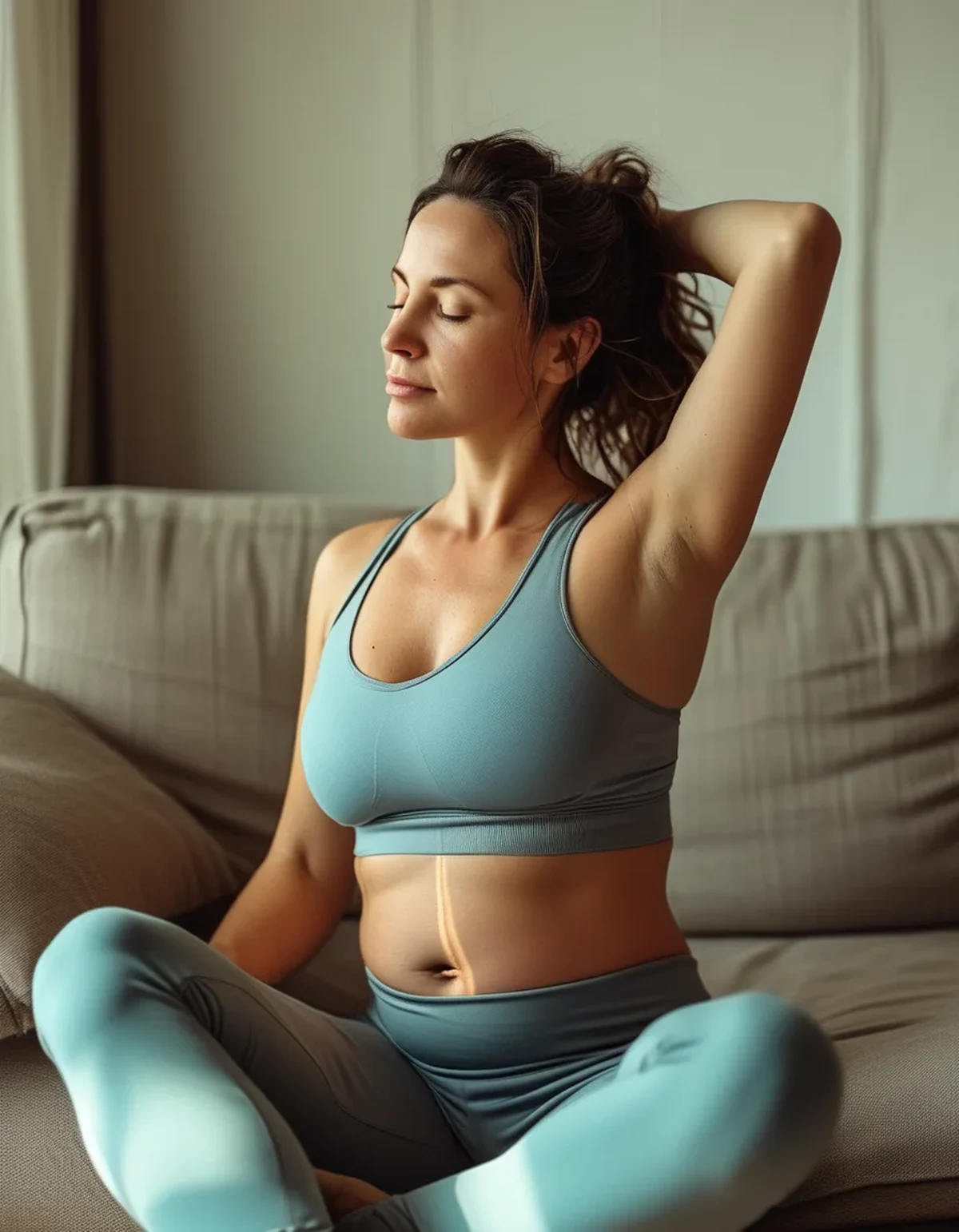
Seen here: Super High Waist Embossed Yoga Leggings with Inner Pocket — shop it on bubblelime.com
Keep Reading
This article is for general informational and styling purposes only. Fit, sizing, and product availability may vary.
